
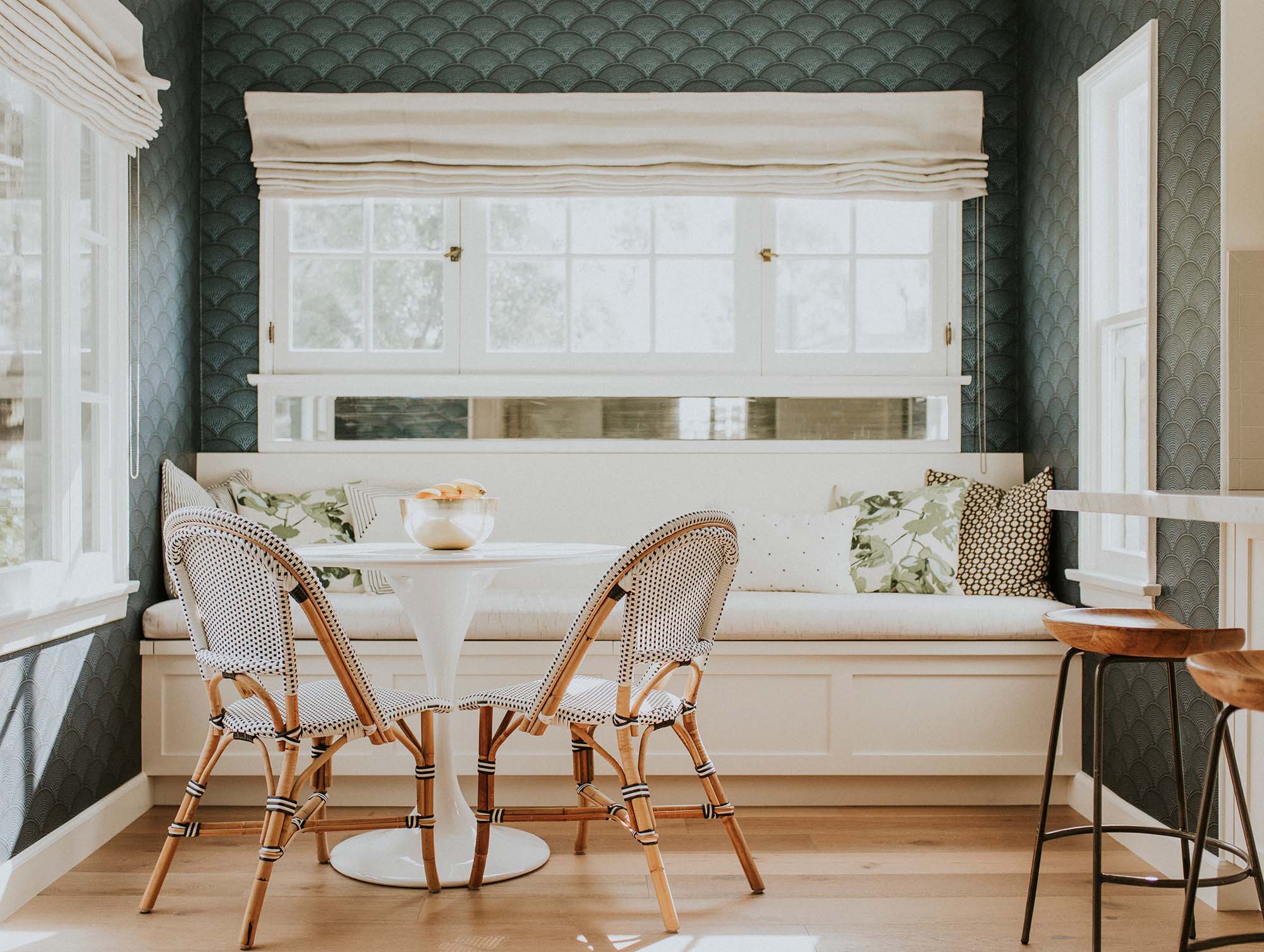
When homeowners think about decorating with wallpaper, the first image that often comes to mind is a feature wall behind a bed or sofa. While that remains a popular approach, wallpaper can do much more than decorate a single vertical surface. It can draw attention to architectural details, add personality to overlooked corners, and even transform the ceiling into an unexpected design feature.
In interior design, the ceiling is sometimes called the fifth wall. It occupies a significant part of the room, yet it is often left plain while attention is focused on flooring, furniture, and traditional wall finishes. Introducing wallpaper overhead can create depth, visual interest, and a sense of individuality that is difficult to achieve with paint alone.
For homeowners considering a refresh in Greenville, Winterville, Ayden, Washington, or Williamston, wallpaper offers opportunities to personalize spaces without necessarily undertaking a full renovation. The key is knowing where to use it, how to select a pattern, and how to make sure the design works with the room's proportions and existing finishes.
Why the Ceiling Deserves More Attention
A ceiling can influence the atmosphere of a room just as much as its walls. A plain white ceiling often provides a clean and neutral finish, but it may not contribute much to the overall design. Wallpaper creates an opportunity to introduce a pattern, color, or texture that changes the way the room is experienced.
In a room with simple walls and understated furniture, a patterned ceiling can become the main decorative feature. It draws the eye upward and creates interest without requiring bold colors across every wall.
In a smaller room, the effect depends on the pattern and color. A delicate design with a light background may add character without making the ceiling feel visually heavy. A darker or more dramatic pattern can create an intimate atmosphere, particularly in spaces intended for relaxation or entertaining.
Ceiling wallpaper is not suitable for every room or every product. The surface must be properly prepared, and the wallpaper manufacturer's installation recommendations should be followed. Ceiling height, room conditions, ventilation, and the condition of the existing surface should all be considered before beginning.
Use Wallpaper to Give a Small Nook Its Own Identity
Many homes contain small areas that do not have a clearly defined purpose. An alcove, reading corner, compact home office, or space beneath a staircase can easily become an afterthought. Wallpaper can help turn these areas into intentional parts of the interior.
A reading nook, for example, can be given a distinct character through a botanical pattern, subtle geometric design, or textured wallpaper. A small desk area can use a more restrained pattern to establish a visual boundary between work and relaxation.
These spaces are particularly suitable for experimenting with a pattern that might feel too strong across a large room. Because the area is limited, the design can become a focal point without overwhelming the entire home.
Before selecting the wallpaper, consider what will be placed in front of it. Shelving, artwork, lighting, and furniture can either complement the pattern or compete with it. A simple arrangement may allow the wallpaper to become the defining feature.
Make a Powder Room Feel Like a Designed Space
Powder rooms are often among the smallest rooms in a home, but they provide an opportunity to be more expressive with interior design. Unlike a main living area, a powder room does not need to accommodate large furniture arrangements or a wide range of activities. This makes it a natural place to introduce a more distinctive wallpaper pattern.
Botanical prints, abstract designs, geometric patterns, and textured finishes can all create different moods. A soft, nature-inspired pattern may produce a relaxed atmosphere, while a bold design can make the room feel dramatic and memorable.
Color should be considered in relation to the vanity, mirror, lighting, and plumbing fixtures. A wallpaper pattern that includes a color found in the vanity or countertop can help connect the different elements. If the room already has a distinctive countertop or decorative tile, a quieter wallpaper may be the better choice.
Bathrooms require additional care when selecting wall coverings. Not every wallpaper is suitable for humid environments or areas exposed to water. Product suitability, ventilation, wall preparation, and the manufacturer's recommendations should be reviewed before installation. Wallpaper should not be placed in locations where direct water exposure makes it unsuitable.
Choose Patterns That Work With the Room's Proportions
Wallpaper patterns can influence how a room feels. Large-scale designs create a strong visual statement and may work well in rooms with enough space to appreciate the pattern. Smaller, repeating designs can provide texture and detail without dominating the interior.
Vertical patterns may draw the eye upward, while horizontal designs can create a sense of width. Geometric patterns introduce structure, while organic designs can soften a room's appearance. These effects are not absolute rules, but they are useful considerations when selecting wallpaper for a particular space.
In a room with low ceilings, a pattern that feels too dense or visually heavy may make the space feel more enclosed. A lighter design with some open background can create a more balanced result. In a room with high ceilings, a larger pattern may help the walls feel more connected to the furniture and architectural details.
Always consider the full repeat of the wallpaper rather than judging a small sample alone. The scale of the pattern may look very different when repeated across an entire wall or ceiling.
Bring Nature Indoors With Botanical and Organic Patterns
Nature-inspired interiors continue to influence residential design. Natural wood finishes, earthy colors, and organic textures are being used to create rooms that feel welcoming and connected to the outdoors. Wallpaper can support this direction through botanical prints, leafy motifs, floral designs, and patterns inspired by natural materials.
A subtle botanical wallpaper can add softness to a bedroom or reading area. Larger leaves and expressive floral patterns can create a stronger focal point in a powder room or dining space. Neutral backgrounds can keep the design understated, while deeper greens and warmer colors can produce a more dramatic atmosphere.
These patterns work particularly well when paired with natural wood furniture, woven accessories, stone-inspired surfaces, and warm lighting. The goal is not to make every element look identical but to create a consistent relationship between materials.
For homeowners who prefer a more contemporary interior, abstract organic patterns can provide a connection to nature without using literal leaves or flowers. These designs can introduce movement while maintaining a modern appearance.
Wallpaper Inside Shelving and Built-In Cabinetry
Wallpaper does not always need to cover an entire wall to make an impact. The back panel of a built-in bookcase, display cabinet, or open shelving unit can provide a small but effective place for pattern.
This approach works particularly well when the surrounding cabinetry has a simple finish. A patterned backing can add depth behind books, decorative objects, and framed photographs. It can also help define a display area within a larger room.
In a kitchen or dining area, wallpaper inside a suitable display niche may introduce color and personality without covering a large surface. However, the location should be evaluated carefully. Areas exposed to cooking grease, frequent splashes, or excessive moisture may not be appropriate for standard wallpaper.
When planning this detail, consider how the wallpaper will meet the edges of the shelving and whether the pattern will remain visible once objects are placed inside. A design with too much detail may become difficult to appreciate when the shelves are full.
Coordinate Wallpaper With Cabinets and Countertops
Wallpaper can become an important part of a kitchen or bath design when it is selected alongside the cabinetry and countertop materials. These elements should be treated as parts of one visual composition rather than separate purchases.
If the cabinets have a strong color or visible wood grain, wallpaper with a quieter pattern may create better balance. If the cabinetry is simple and neutral, the wallpaper can introduce more personality. A countertop with pronounced veining may call for a more restrained wall covering, while a subtle countertop can provide room for a more expressive pattern.
Color coordination is often more important than matching every material exactly. A wallpaper design that repeats a subtle tone from the countertop or cabinet finish can help the room feel connected. Samples should be viewed together under the room's lighting before a final decision is made.
Preparation and Installation Matter
Even the most attractive wallpaper can disappoint if the surface beneath it has not been properly prepared. Walls and ceilings should be clean, smooth, and suitable for the selected product. Existing damage, loose paint, uneven surfaces, or moisture concerns should be addressed before installation.
Wallpaper types have different installation requirements. Some products are designed for particular application methods, while others may require specific adhesives or surface preparation. Pattern matching and repeat alignment are also important, especially with large-scale designs.
Ceilings can present additional installation challenges because the work takes place overhead. The product's weight, the condition of the surface, and the installation method should be considered. Professional guidance can help determine whether the selected wallpaper is appropriate for the intended location.
Maintenance should also be reviewed before purchase. Some wallpaper products can be wiped gently, while others require more careful cleaning. The manufacturer's instructions should determine how the finished surface is maintained.
Give Overlooked Spaces a More Personal Finish
Wallpaper offers more possibilities than a single feature wall. A ceiling, powder room, reading nook, or built-in display can become a distinctive part of the home through a carefully selected pattern. The most successful designs consider scale, lighting, surrounding materials, and the practical conditions of the room.
Explore the featured wallpaper brands available through Hestia Kitchen & Bath Design LLC to discover patterns and styles that could complement your home. If you are considering a decorating or remodeling project, visit the contact page to discuss your ideas.
Whether you are adding character to a powder room in Greenville, refreshing a reading nook in Winterville, or planning a more distinctive interior in Ayden, Washington, or Williamston, wallpaper can help transform spaces that might otherwise be overlooked. With a new location coming soon, Hestia Kitchen & Bath Design LLC is preparing to help homeowners explore design details that make a house feel more personal.